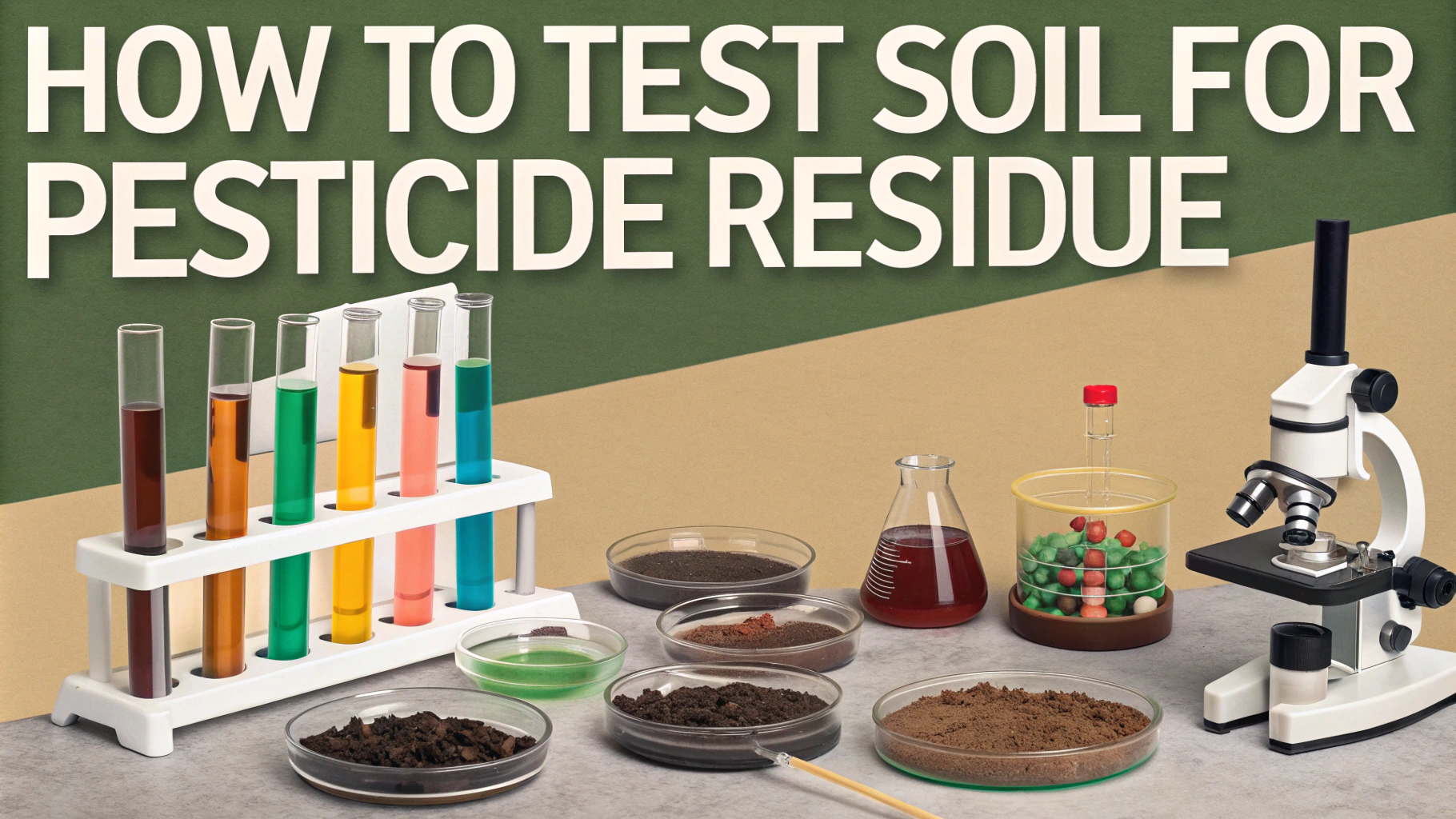
How to Test Soil for Pesticide Residue
Testing soil for pesticide residue helps ensure your garden or farming land is safe for growing food and maintaining environmental health. Professiona
How to Test Soil for Pesticide Residue

January 27, 2025
Testing soil for pesticide residue helps ensure your garden or farming land is safe for growing food and maintaining environmental health.
Professional Testing Options
The most accurate method is sending soil samples to an accredited laboratory specializing in pesticide residue analysis.
- Agricultural Extension Services: Contact your local extension office for testing recommendations
- Environmental Testing Labs: Search the EPA Laboratory Registry
- University Labs: Many agricultural universities offer testing services
DIY Testing Methods
While not as accurate as lab testing, these methods can provide initial insights about soil contamination.
- Soil test kits (available from garden centers)
- Bioassay tests using indicator plants
- pH testing strips
Proper Soil Sample Collection
- Clean your collection tools thoroughly
- Take samples from multiple locations
- Dig 6-8 inches deep
- Mix samples thoroughly
- Store in clean, sealed containers
Warning Signs of Pesticide Contamination
- Unusual plant growth patterns
- Soil discoloration
- Absence of beneficial insects
- Strong chemical odors
Cost Considerations
Testing Method
Approximate Cost
Professional Lab Analysis
$100-300 per sample
Home Test Kits
$20-50
University Extension Services
$50-150
Next Steps After Testing
- Document all test results
- Consult with agricultural experts for remediation if needed
- Implement soil management practices based on results
- Consider regular testing schedule
For immediate concerns about pesticide contamination, contact the National Pesticide Information Center at 1-800-858-7378.
Remediation Strategies
If pesticide contamination is detected, several remediation methods can help restore soil health.
Natural Methods
- Bioremediation using specific bacteria and fungi
- Planting phytoremediating species
- Composting with activated materials
- Cover cropping to improve soil structure
Professional Methods
- Soil excavation and replacement
- Chemical neutralization
- Thermal treatment
- Advanced oxidation processes
Prevention Measures
- Maintain detailed records of pesticide applications
- Use integrated pest management practices
- Create buffer zones around sensitive areas
- Implement erosion control measures
Long-term Monitoring
Establish a monitoring program to track soil health over time:
- Schedule regular testing intervals
- Monitor plant health indicators
- Track beneficial organism populations
- Document weather patterns and soil conditions
Conclusion
Regular soil testing for pesticide residue is crucial for maintaining safe and productive growing environments. Whether choosing professional lab analysis or preliminary DIY methods, consistent monitoring helps ensure soil health and food safety. When contamination is found, prompt action and appropriate remediation strategies can help restore soil to optimal growing conditions.
FAQs
- What are the most reliable methods to test soil for pesticide residue? The most reliable methods include laboratory analysis using gas chromatography-mass spectrometry (GC-MS), liquid chromatography-mass spectrometry (LC-MS), and enzyme-linked immunosorbent assay (ELISA) tests.
- Can I test soil for pesticides at home? While professional lab testing is most accurate, you can use home soil test kits that detect certain pesticide groups. However, these kits have limited accuracy and can only detect specific types of pesticides.
- How should I collect soil samples for pesticide testing? Collect samples from multiple locations in the area, at depths of 4-6 inches, using clean stainless steel tools. Combine samples in a clean plastic container, remove debris, and store in a cool, dark place before testing.
- How long do pesticide residues persist in soil? Persistence varies by pesticide type, with some breaking down within days while others can last years. Factors affecting persistence include soil type, pH, temperature, moisture, and microbial activity.
- What information should I provide when submitting soil samples to a laboratory? Include details about the site history, suspected pesticides, current and previous land use, sampling date and depth, and any known chemical applications in the area.
- How much does professional pesticide residue testing cost? Professional testing typically ranges from $100-500 per sample, depending on the number of pesticides being tested for and the laboratory’s specific analysis methods.
- What are the signs that soil might contain pesticide residue? Signs include unexplained plant death or growth problems, lack of soil organism activity, and known history of pesticide use. However, visual indicators alone are not reliable for confirming contamination.
- How often should soil be tested for pesticide residue? For agricultural or food production areas, annual testing is recommended. For residential areas with known previous pesticide use, testing every 2-3 years is advisable.
- Which pesticides are most commonly found in soil testing? Organochlorine pesticides, organophosphates, carbamates, and synthetic pyrethroids are commonly detected in soil tests, with DDT residues still found despite being banned decades ago.
- What should I do if high levels of pesticide residue are detected? Contact environmental authorities, consider bioremediation options, implement soil remediation techniques like activated charcoal application, or consult with environmental specialists for site-specific solutions.

Author: Pesticides.Org
Related Posts
Home Pest Prevention: Seasonal Checklist
A well-planned seasonal approach to pest control helps maintain a pest-free home throughout the year. Spring (March-May) Inspection Tasks: Check foundation for cracks and seal them Inspect window screens for ... Read more
Natural Solutions for Common Lawn Weeds
Controlling lawn weeds naturally helps protect your family, pets, and local environment while maintaining a healthy yard. Common Lawn Weeds and Their Natural Controls Dandelions: Pour boiling water directly on ... Read more

Garden Planning for Minimal Pesticide Use
Planning your garden with natural pest control in mind can drastically reduce or eliminate the need for chemical pesticides. Smart Plant Selection Choose plants that naturally resist common pests in ... Read more
Cost Comparison: Natural vs Chemical Pest Control
A detailed cost comparison between natural and chemical pest control methods helps homeowners and farmers make informed decisions about protecting their crops and properties. Initial Investment Costs Chemical pesticides typically ... Read more
Safe Pest Control Near Children’s Play Areas
Protecting children while effectively controlling pests requires a careful balance of safety and efficacy. Natural pest control methods should always be the first line of defense around children’s play areas. ... Read more
Chemical-Free Rose Garden Maintenance
Growing roses without chemicals takes smart planning and natural solutions, but rewards gardeners with healthier plants and safer gardens. Natural Pest Prevention Basics Strong, healthy rose plants naturally resist many ... Read more
Understanding Local Pesticide Regulations
Local pesticide regulations vary significantly between different municipalities, counties, and states across the United States. The Environmental Protection Agency (EPA) sets baseline national standards for pesticide use, but local authorities ... Read more

Seasonal Home Pest Prevention Guide
Keeping your home pest-free requires different approaches as seasons change throughout the year. Spring Prevention (March-May) As temperatures rise, insects emerge from winter dormancy and begin seeking food and shelter. ... Read more