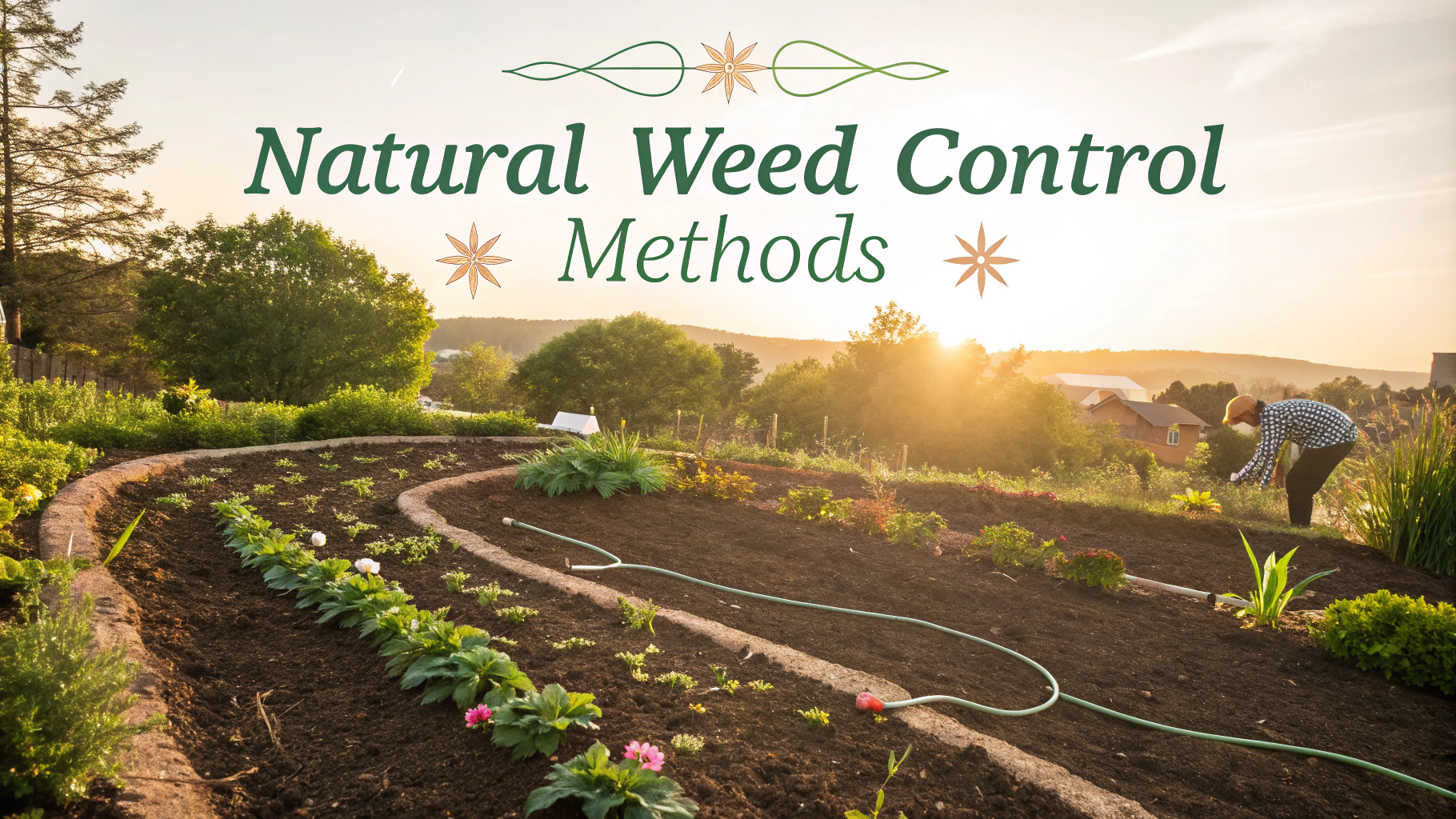
Natural Weed Control Methods
Natural weed control offers safe, environmentally-friendly alternatives to chemical herbicides for maintaining a healthy garden. Mulching Methods A 2-
Natural Weed Control Methods

January 2, 2025
Natural weed control offers safe, environmentally-friendly alternatives to chemical herbicides for maintaining a healthy garden.
Mulching Methods
A 2-3 inch layer of organic mulch prevents weed seeds from germinating while retaining soil moisture.
- Straw mulch
- Wood chips
- Grass clippings
- Cardboard or newspaper
- Leaves
Manual Removal Techniques
Hand-pulling weeds works best when soil is moist, allowing complete root removal.
Preventive Measures
- Space plants closely to shade out weeds
- Use landscape fabric under mulch
- Remove weeds before they seed
- Maintain healthy soil
Natural Weed Suppressants
Common household items can effectively control weeds:
- Vinegar Solution: Mix 1 gallon white vinegar, 1 cup salt, 1 tablespoon dish soap
- Boiling Water: Pour directly on weeds
- Corn Gluten Meal: Apply in early spring as pre-emergent
Companion Planting
Strategic plant placement helps naturally suppress weeds through competition.
Plant Type
Weed Suppression Method
Mint
Dense ground cover
Marigolds
Natural herbicidal properties
Sweet Potato Vine
Thick canopy coverage
Soil Management
Maintaining proper soil pH (6.0-7.0) and fertility levels helps desired plants outcompete weeds.
Professional Resources
Contact your local extension office for region-specific weed control advice:
- Cooperative Extension System: Find Local Office
- Organic Materials Review Institute: OMRI.org
Common Mistakes to Avoid
- Shallow weed pulling leaving roots behind
- Improper mulch application
- Overwatering which promotes weed growth
- Allowing weeds to flower and seed
Monitor your garden regularly and address weed issues early for the most effective natural control.
Seasonal Control Strategies
Different seasons require unique approaches to natural weed management.
Spring
- Apply corn gluten meal before weed emergence
- Remove winter annual weeds before seeding
- Install barriers and mulch early
Summer
- Maintain mulch depth as materials decompose
- Hand pull weeds after rain
- Apply vinegar solutions during sunny days
Fall
- Remove perennial weeds completely
- Add fresh mulch layers
- Plant cover crops in vacant areas
Long-term Garden Health
Building a weed-resistant garden requires consistent maintenance and proper planning:
- Establish defined bed edges
- Create permanent pathways
- Install irrigation systems to target desired plants
- Maintain soil fertility through composting
Record Keeping
Document weed patterns and control effectiveness:
- Identify problematic weed species
- Track successful control methods
- Note seasonal emergence patterns
- Monitor treated areas
Conclusion
Natural weed control requires patience and consistent effort but offers lasting benefits:
- Improved soil health
- Safer environment for beneficial insects
- Chemical-free produce
- Cost-effective long-term solutions
Combine multiple control methods for the most effective weed management strategy. Regular monitoring and maintenance will lead to a healthier, more productive garden ecosystem.
FAQs
- What are the most effective organic alternatives to chemical herbicides? Vinegar solution, boiling water, corn gluten meal, salt, and mulching are proven natural alternatives. Vinegar is particularly effective on young weeds, while mulching prevents weed seeds from germinating.
- How does cornmeal gluten work as a natural pre-emergent herbicide? Corn gluten meal prevents weed seeds from developing roots when they germinate. Apply it in early spring before weed seeds sprout, providing 5-6 weeks of control while adding nitrogen to the soil.
- Can companion planting help control weeds naturally? Yes, dense plantings of ground covers and companion plants like marigolds, thyme, or clover compete with weeds for resources. These plants naturally suppress weed growth by blocking sunlight and nutrients.
- What manual weed control methods are most efficient? Hand-pulling, hoeing, and solarization are highly effective. Pull weeds when soil is moist, use a sharp hoe for shallow-rooted weeds, and cover areas with clear plastic for solarization during hot months.
- How effective is vinegar as a natural weed killer? Household vinegar (5% acetic acid) works on young weeds. Horticultural vinegar (20% acetic acid) is more effective but requires careful handling. Best applied on sunny days to dry, young weeds.
- What role does proper soil maintenance play in weed control? Healthy soil with proper pH and nutrient levels promotes strong desired plants that naturally compete with weeds. Regular addition of organic matter and proper drainage reduces weed proliferation.
- How can mulch be used effectively for weed control? Apply organic mulch 2-4 inches thick around plants, avoiding direct contact with stems. Use materials like straw, wood chips, or leaves to block sunlight from reaching weed seeds.
- What are the benefits of using boiling water for weed control? Boiling water instantly kills weeds by destroying plant tissue. It’s particularly effective for weeds in sidewalk cracks and driveways but must be used carefully to avoid damaging desired plants.
- How can ground covers be used strategically for weed suppression? Plant fast-growing ground covers like creeping thyme or sweet woodruff in dense patterns. These plants naturally prevent weed growth by creating shade and competing for resources.
- What is the most effective timing for natural weed control methods? Apply preventive measures like corn gluten in early spring, remove weeds when young and soil is moist, and maintain control methods throughout growing season for best results.

Author: Pesticides.Org
Related Posts
Home Pest Prevention: Seasonal Checklist
A well-planned seasonal approach to pest control helps maintain a pest-free home throughout the year. Spring (March-May) Inspection Tasks: Check foundation for cracks and seal them Inspect window screens for ... Read more
Natural Solutions for Common Lawn Weeds
Controlling lawn weeds naturally helps protect your family, pets, and local environment while maintaining a healthy yard. Common Lawn Weeds and Their Natural Controls Dandelions: Pour boiling water directly on ... Read more
Garden Planning for Minimal Pesticide Use
Planning your garden with natural pest control in mind can drastically reduce or eliminate the need for chemical pesticides. Smart Plant Selection Choose plants that naturally resist common pests in ... Read more
Cost Comparison: Natural vs Chemical Pest Control
A detailed cost comparison between natural and chemical pest control methods helps homeowners and farmers make informed decisions about protecting their crops and properties. Initial Investment Costs Chemical pesticides typically ... Read more
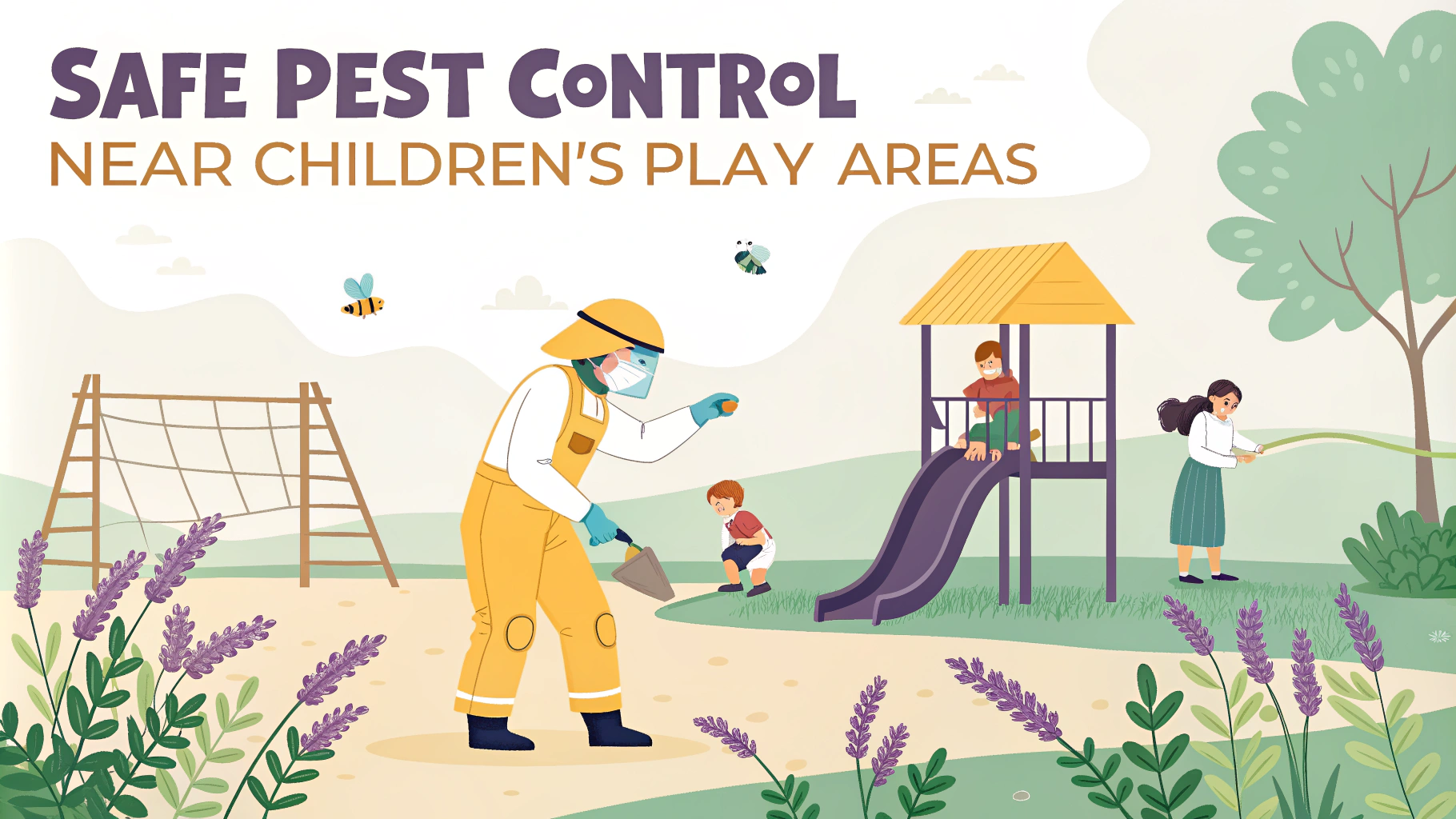
Safe Pest Control Near Children’s Play Areas
Protecting children while effectively controlling pests requires a careful balance of safety and efficacy. Natural pest control methods should always be the first line of defense around children’s play areas. ... Read more
Chemical-Free Rose Garden Maintenance
Growing roses without chemicals takes smart planning and natural solutions, but rewards gardeners with healthier plants and safer gardens. Natural Pest Prevention Basics Strong, healthy rose plants naturally resist many ... Read more
Understanding Local Pesticide Regulations
Local pesticide regulations vary significantly between different municipalities, counties, and states across the United States. The Environmental Protection Agency (EPA) sets baseline national standards for pesticide use, but local authorities ... Read more
Seasonal Home Pest Prevention Guide
Keeping your home pest-free requires different approaches as seasons change throughout the year. Spring Prevention (March-May) As temperatures rise, insects emerge from winter dormancy and begin seeking food and shelter. ... Read more