Garden Planning for Minimal Pesticide Use
Planning your garden with natural pest control in mind can drastically reduce or eliminate the need for chemical pesticides. Smart Plant Selection Cho
Garden Planning for Minimal Pesticide Use

February 3, 2025
Planning your garden with natural pest control in mind can drastically reduce or eliminate the need for chemical pesticides.
Smart Plant Selection
Choose plants that naturally resist common pests in your area.
- Marigolds – repel nematodes and many insects
- Lavender – deters moths and flies
- Chrysanthemums – contain pyrethrin, a natural insecticide
- Rosemary – repels mosquitoes and cabbage moths
- Nasturtiums – act as trap crops for aphids
Companion Planting Strategies
Strategic plant placement can create natural pest barriers and promote healthy growth.
Plant
Good Companions
Pests Repelled
Basil
Tomatoes, Peppers
Flies, Mosquitoes
Dill
Cucumbers, Lettuce
Aphids, Spider Mites
Garlic
Roses, Fruit Trees
Japanese Beetles, Aphids
Physical Barriers
- Install row covers over young plants
- Use copper tape around containers to deter slugs
- Place netting over fruit trees and berry bushes
- Add diatomaceous earth around sensitive plants
Promote Beneficial Insects
Create habitats for natural pest predators in your garden.
- Ladybugs – eat aphids and mites
- Praying Mantis – consume various garden pests
- Ground Beetles – feed on slugs and harmful insects
- Parasitic Wasps – control caterpillars and beetles
Cultural Practices
- Rotate crops annually to prevent pest buildup
- Maintain proper plant spacing for air circulation
- Water early in the day to prevent fungal issues
- Remove diseased plants promptly
- Keep garden areas clean and free of debris
Natural Pest Control Solutions
Try these organic alternatives before reaching for chemical pesticides:
- Neem oil spray for soft-bodied insects
- Insecticidal soap for aphids and mites
- Bacillus thuringiensis (Bt) for caterpillars
- Garlic and hot pepper spray for general pest control
Contact your local extension office for specific pest management strategies in your area: Extension Office Directory.
Garden Maintenance Schedule
Daily Tasks
- Monitor plants for early signs of pest damage
- Remove visible pests by hand when spotted
- Check moisture levels in soil
- Remove any fallen fruits or vegetables
Weekly Tasks
- Inspect undersides of leaves for egg clusters
- Prune damaged or diseased plant parts
- Apply organic pest deterrents as needed
- Clean and maintain garden tools
Prevention Tips
Build healthy soil and strong plants that naturally resist pests.
- Add organic compost regularly
- Maintain proper pH levels
- Mulch to retain moisture and prevent weed growth
- Test soil annually for nutrient deficiencies
Conclusion
Natural pest control requires a holistic approach combining multiple strategies. While it may take more planning than chemical solutions, this integrated pest management system creates a healthier garden ecosystem that becomes increasingly self-regulating over time. Start with prevention, monitor regularly, and use natural solutions when needed. Remember that some pest presence is normal and even beneficial – the goal is management, not elimination.
Consider keeping a garden journal to track which methods work best for your specific situation and adjust your approach each season for optimal results.
FAQs
- What are the key principles of planning a low-pesticide garden? Focus on companion planting, crop rotation, healthy soil management, selecting pest-resistant plant varieties, and maintaining biodiversity to naturally deter pests.
- Which plants work well as natural pest deterrents in a garden? Marigolds, lavender, chrysanthemums, basil, mint, rosemary, and nasturtiums all have natural pest-repelling properties and can be strategically planted throughout the garden.
- How does crop rotation help reduce pest problems? Rotating crops annually prevents pest populations from establishing in the soil, disrupts their life cycles, and helps maintain soil nutrients specific to different plant families.
- What role do beneficial insects play in a low-pesticide garden? Beneficial insects like ladybugs, praying mantises, and parasitic wasps naturally control pest populations by feeding on harmful insects, reducing the need for chemical interventions.
- How can proper spacing and pruning reduce pest issues? Adequate plant spacing improves air circulation and reduces humidity, while proper pruning removes diseased portions and prevents pest-friendly conditions from developing.
- What soil management practices help prevent pest problems? Building healthy soil through composting, mulching, and maintaining proper pH levels creates strong plants that naturally resist pests and diseases.
- How effective are physical barriers in pest control? Row covers, netting, and copper tape are highly effective physical barriers that prevent pest access to plants while avoiding chemical pesticide use.
- What are the best watering practices to minimize pest and disease issues? Watering at soil level in the morning, avoiding leaf wetness, and maintaining consistent moisture levels helps prevent conditions that attract pests and promote disease.
- How can plant diversity help reduce pest problems? A diverse garden with mixed plantings confuses pests, provides habitat for beneficial insects, and creates a more resilient ecosystem that naturally regulates pest populations.
- What are effective organic pest control methods for emergency situations? Neem oil, insecticidal soaps, diatomaceous earth, and botanical-based sprays provide effective pest control while maintaining garden safety and ecological balance.

Author: Pesticides.Org
Related Posts
Home Pest Prevention: Seasonal Checklist
A well-planned seasonal approach to pest control helps maintain a pest-free home throughout the year. Spring (March-May) Inspection Tasks: Check foundation for cracks and seal them Inspect window screens for ... Read more
Natural Solutions for Common Lawn Weeds
Controlling lawn weeds naturally helps protect your family, pets, and local environment while maintaining a healthy yard. Common Lawn Weeds and Their Natural Controls Dandelions: Pour boiling water directly on ... Read more
Garden Planning for Minimal Pesticide Use
Planning your garden with natural pest control in mind can drastically reduce or eliminate the need for chemical pesticides. Smart Plant Selection Choose plants that naturally resist common pests in ... Read more
Cost Comparison: Natural vs Chemical Pest Control
A detailed cost comparison between natural and chemical pest control methods helps homeowners and farmers make informed decisions about protecting their crops and properties. Initial Investment Costs Chemical pesticides typically ... Read more
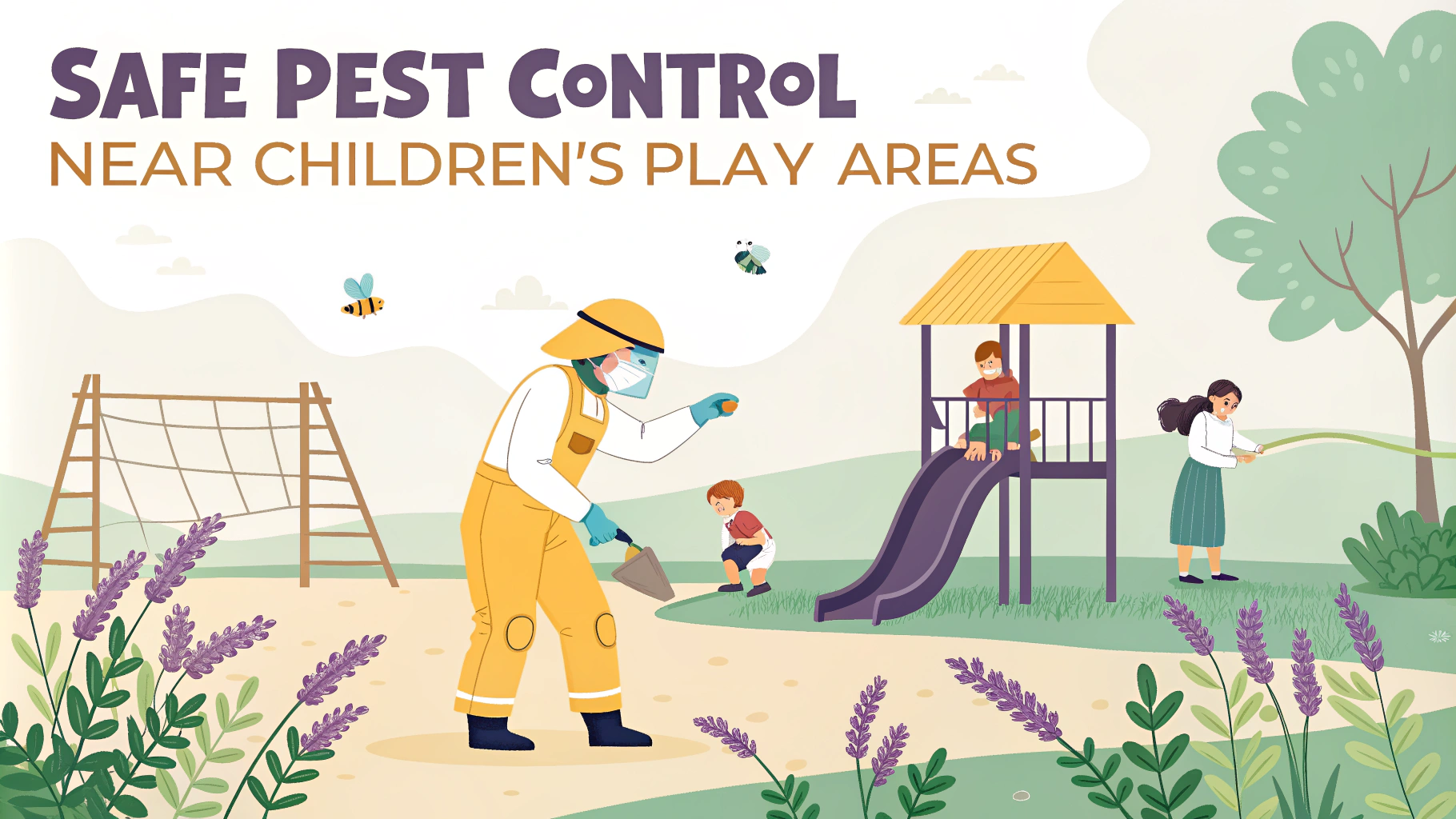
Safe Pest Control Near Children’s Play Areas
Protecting children while effectively controlling pests requires a careful balance of safety and efficacy. Natural pest control methods should always be the first line of defense around children’s play areas. ... Read more
Chemical-Free Rose Garden Maintenance
Growing roses without chemicals takes smart planning and natural solutions, but rewards gardeners with healthier plants and safer gardens. Natural Pest Prevention Basics Strong, healthy rose plants naturally resist many ... Read more
Understanding Local Pesticide Regulations
Local pesticide regulations vary significantly between different municipalities, counties, and states across the United States. The Environmental Protection Agency (EPA) sets baseline national standards for pesticide use, but local authorities ... Read more
Seasonal Home Pest Prevention Guide
Keeping your home pest-free requires different approaches as seasons change throughout the year. Spring Prevention (March-May) As temperatures rise, insects emerge from winter dormancy and begin seeking food and shelter. ... Read more